



PROTAC Linkers
PROTACs (Proteolysis Targeting Chimeric Molecules) are heterobifunctional protein degraders and promising targeted therapeutics candidates for cancer. The PROTAC linker connects two functional motifs of a PROTAC, a target protein binder and an E3 ligase recruiter.
The linker plays an important role in a PROTAC. The features of the linker (type, length, attachment position) can affect the formation of ligase:PROTAC:target ternary complex, resulting in influencing the efficient ubiquitination of the target protein and its ultimate degradation. The optimal lengths of the PROTAC linkers are reported varying from 12-carbon to over 20-carbon, and the commonly used linkers in the development of PROTACs are PEGs, Alkyl-Chain and Alkyl/ether.
PROTAC Linkers Isoform Specific Products
All Product Categories
-
PROTAC Linkers Related Products (4095)
Related Products (4095)

-
PROTAC Linkers Isoform Comparison
-
Biotin-PEG4-azide
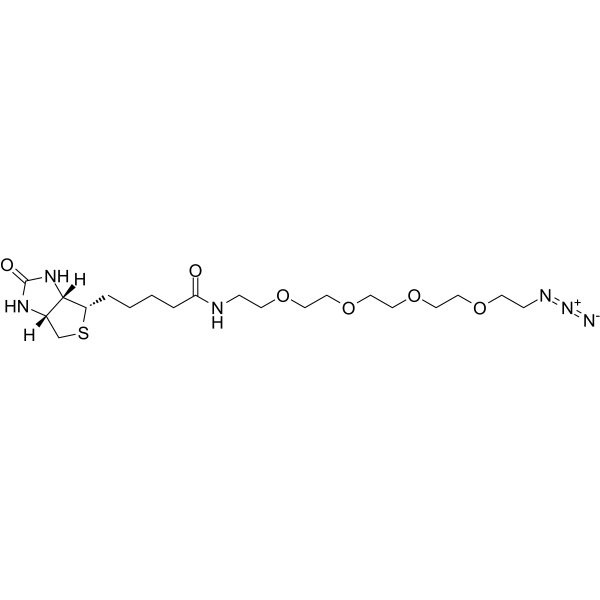 0 ImagesBiotin-PEG4-azide is a biotin-labeled, PEG-based PROTAC linker that can be used in the synthesis of PROTACs. Biotin-PEG4-azide is a click chemistry reagent, it contains an Azide group and can undergo copper-catalyzed azide-alkyne cycloaddition reaction (CuAAc) with molecules containing Alkyne groups. It can also undergo strain-promoted alkyne-azide cycloaddition (SPAAC) reactions with molecules containing DBCO or BCN groups.
-
6-Aminocaproic acid
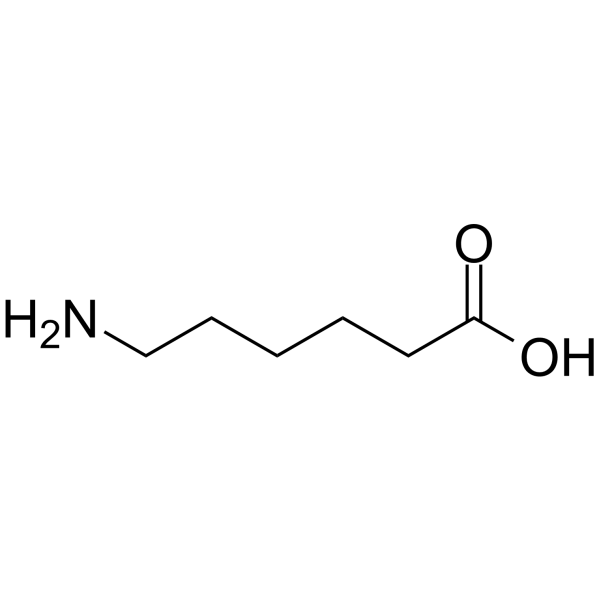 0 ImagesSynonyms: EACA; Epsilon-Amino-n-caproic Acid; 6-Aminohexanoic acid6-Aminocaproic acid (EACA), a monoamino carboxylic acid, is a potent and orally active inhibitor of plasmin and plasminogen. 6-Aminocaproic acid is a potent antifibrinolytic agent. 6-Aminocaproic acid prevents clot lysis through the competitive binding of lysine residues on plasminogen, inhibiting plasmin formation and reducing fibrinolysis. 6-Aminocaproic acid can be used for the research of bleeding disorders.
-
3-Azidopropylamine
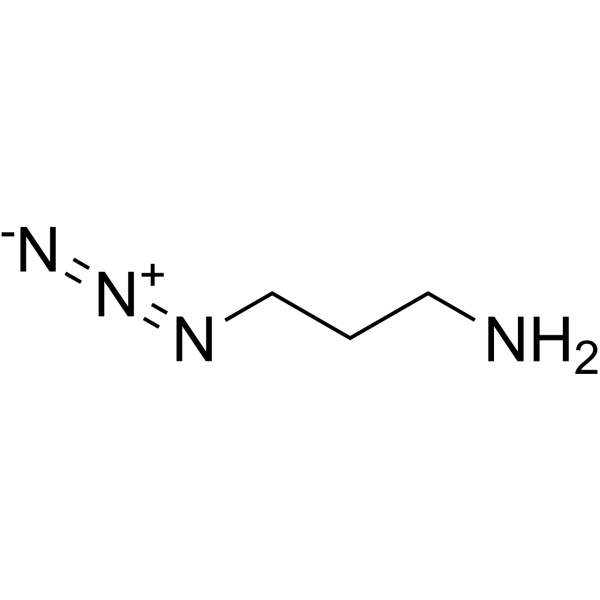 0 Images3-Azidopropylamine is a click chemistry reagent containing an azide group. 3-Azidopropylamine can react with the starch sugar of potato starch for complexation and transfection of plasmid DNA. It contains an azide group and can undergo copper-catalyzed azide-alkyne cycloaddition (CuAAc) with molecules containing alkyne groups. It can also undergo ring strain-promoted alkyne-azide cycloaddition (SPAAC) with molecules containing DBCO or BCN groups.
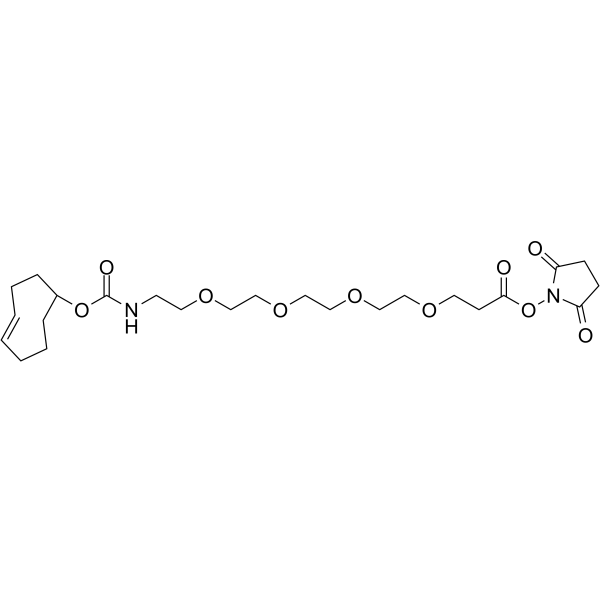
-
Azelaic acid
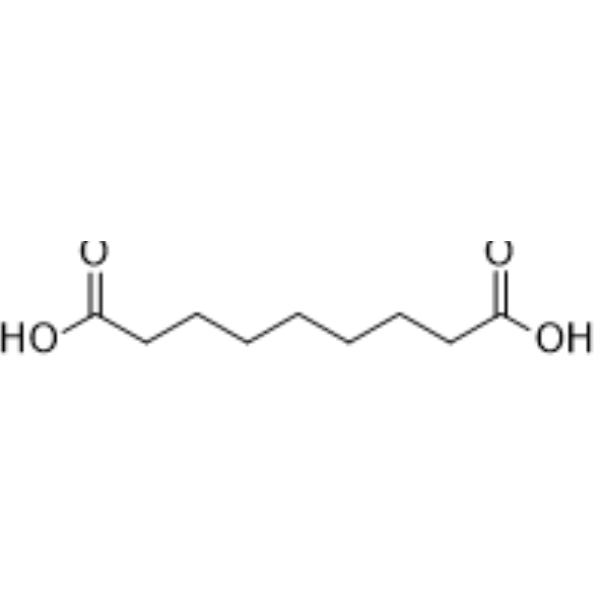 0 ImagesAzelaic acid is a nine-carbon dicarboxylic acid. Azelaic acid has antimicrobial activity against Propionibacterium acnes and Staphylococcus epidermidis through inhibition of microbial cellular prorein synthesis. Azelaic acid has hypopigmentation action resulting from its ability to scavenge free radicals.
-
Azido-PEG4-NHS-ester
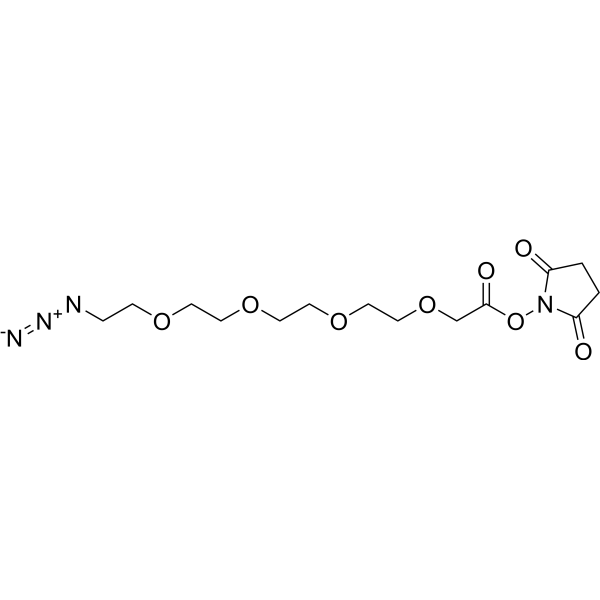 0 ImagesAzido-PEG4-NHS-ester is a PEG-based PROTAC linker that can be used in the synthesis of PROTACs. Azido-PEG4-NHS-ester is a click chemistry reagent, it contains an Azide group and can undergo copper-catalyzed azide-alkyne cycloaddition reaction (CuAAc) with molecules containing Alkyne groups. It can also undergo strain-promoted alkyne-azide cycloaddition (SPAAC) reactions with molecules containing DBCO or BCN groups.
-
N-Boc-piperazine
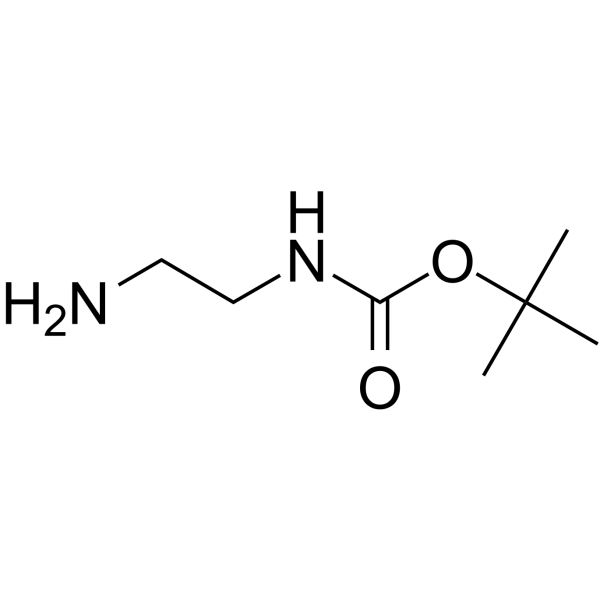
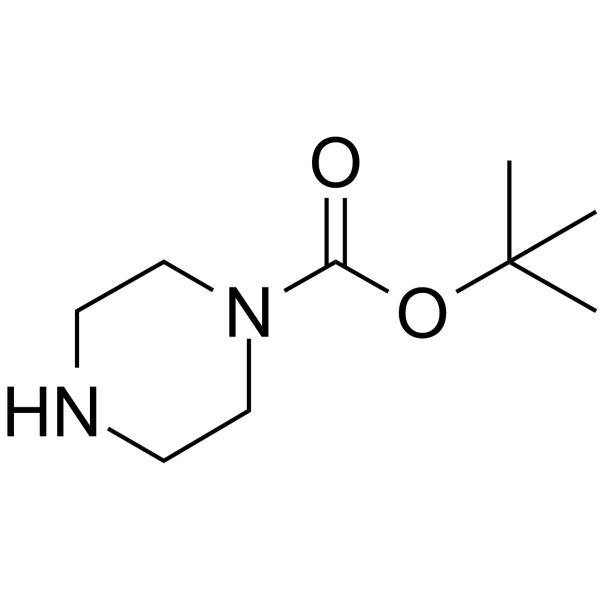 0 ImagesN-Boc-piperazine is a Alkyl/ether-based PROTAC linker that can be used in the synthesis of PROTAC PD-1/PD-L1 degrader-1 (HY-131183).
-
Biotin-PEG3-CONH-Ph-CF3-diazirine
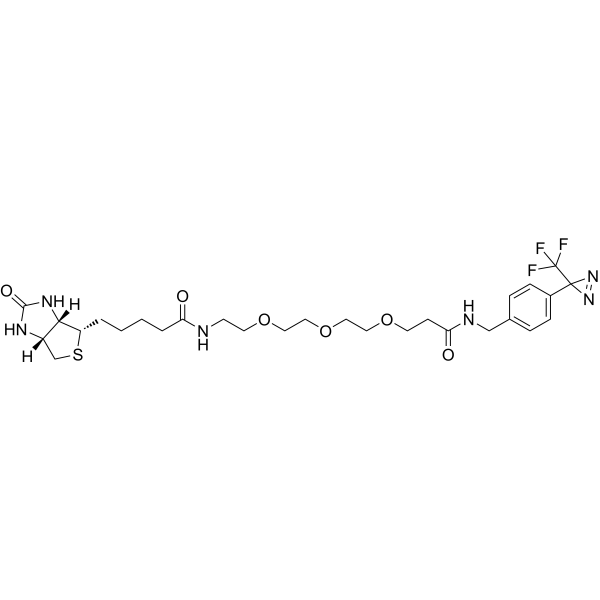 0 ImagesBiotin-PEG3-CONH-Ph-CF3-diazirine is a photoreactive, biotin-labeled PEG derivative that can be used for protein labeling.
![2-Boc-2,6-Diazaspiro[3.3]heptane](https://file.medchemexpress.com/product_pic/hy-30843.gif "Click to View 2-Boc-2,6-Diazaspiro[3.3]heptane Product Detail")
-
Azido-PEG1
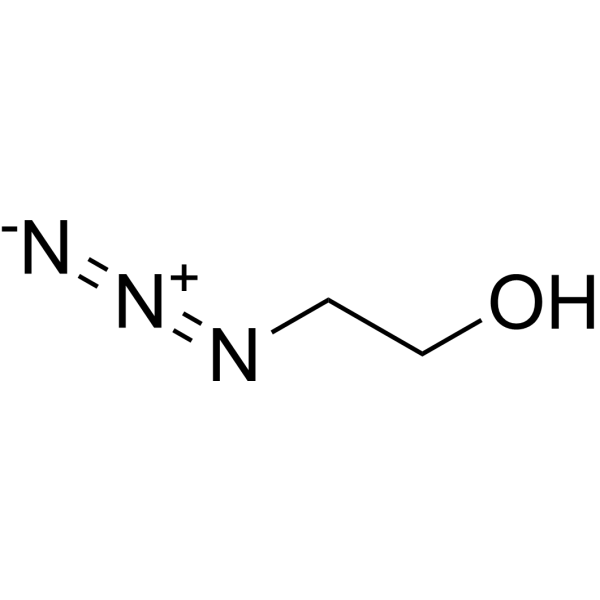 0 ImagesAzido-PEG1 is a PEG-based PROTAC linker that can be used in the synthesis of PROTACs. Azido-PEG1 is a click chemistry reagent, it contains an Azide group and can undergo copper-catalyzed azide-alkyne cycloaddition reaction (CuAAc) with molecules containing Alkyne groups. It can also undergo strain-promoted alkyne-azide cycloaddition (SPAAC) reactions with molecules containing DBCO or BCN groups.
-
N3-PEG4-C2-NH2
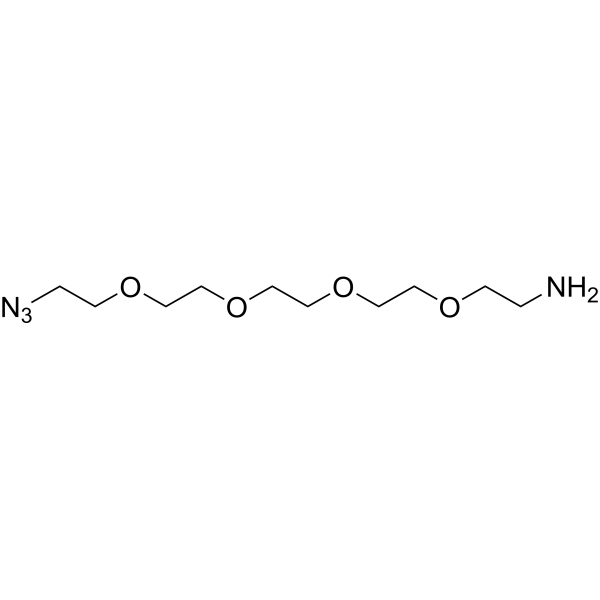 0 ImagesSynonyms: PROTAC Linker 20N3-PEG4-C2-NH2 (PROTAC Linker 20) is a PEG-based PROTAC linker can be used in the synthesis of PROTACs. N3-PEG4-C2-NH2 is a click chemistry reagent, it contains an Azide group and can undergo copper-catalyzed azide-alkyne cycloaddition reaction (CuAAc) with molecules containing Alkyne groups. It can also undergo strain-promoted alkyne-azide cycloaddition (SPAAC) reactions with molecules containing DBCO or BCN groups.
-
Fmoc-NH-PEG4-CH2CH2COOH
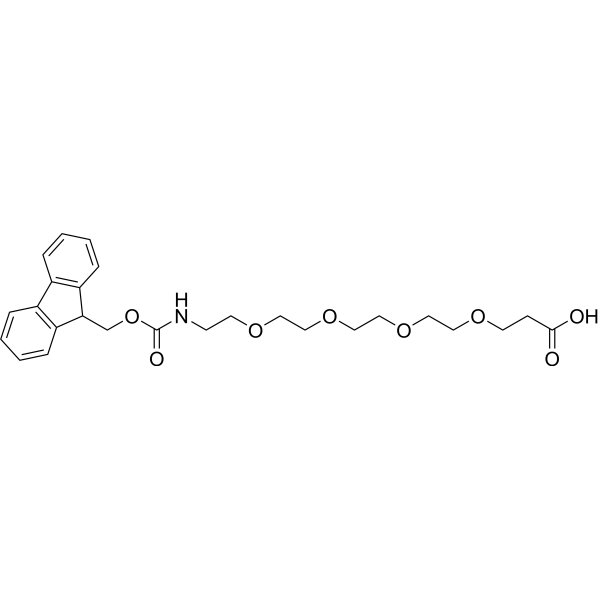 0 ImagesSynonyms: Fmoc-15-amino-4,7,10,13-tetraoxapentadecanoic acidFmoc-NH-PEG4-CH2CH2COOH is a cleavable ADC linker used in the synthesis of antibody-drug conjugates (ADCs). Fmoc-NH-PEG4-CH2CH2COOH is also a PEG-based PROTAC linker that can be used in the synthesis of PROTACs.



